
When Should You Seek Treatment for Obstructive Sleep Apnea?

Having obstructive sleep apnea (OSA) often takes a toll on different areas of life, from sleep quality to overall health and even relationships. Our dentist in Alabaster, AL, at Alabama Dental Sleep and Wellness can help you manage this sleep disorder more effectively. Here’s when it’s time to seek care for this condition.

You’re Having Suspected Sleep Apnea Symptoms

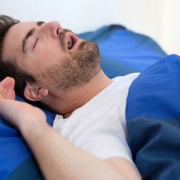
You may not be sure if you do have OSA. But our dentist can determine if you do based on symptoms, such as snoring or waking up feeling exhausted. Other signs include morning headaches, dry mouth when waking up, and gasping for air during sleep.

You’re at Risk of OSA Complications

We recommend sleep apnea treatment in Alabaster, AL, if you have this condition due to the increased risks of serious health issues. OSA is linked to several complications, including:

  • Higher risks of high blood pressure and heart problems
  • Increased stroke risks
  • Cognitive issues that can make driving and other activities dangerous

It’s Affecting Your Quality of Life

Poor sleep every night due to OSA can affect your mood, cognition, physical well-being, and mental health. That can lead to problems in your everyday life.

Your OSA Symptoms Are Affecting Your Loved Ones

This sleep disorder doesn’t just affect you. Your family members may have trouble sleeping if you snore heavily or often. Experiencing increased irritability and other mood changes can also end up damaging your relationships.

Set Up an Appointment for Sleep Apnea Treatment Today!

Are you looking for help getting OSA under control? At Alabama Dental Sleep and Wellness, our dentist offers sleep apnea treatment in Alabaster, AL, helping you improve sleep quality and life quality while also lowering your risk of complications.

What to Expect If You’re Getting a Sleep Apnea Mouthguard

You’ve been diagnosed with sleep apnea and need treatment. But the traditional kind isn’t a good option for you. At Alabama Dental Sleep and Wellness, our dentist in Alabaster, AL, offers custom mouthguards to help patients who have sleep apnea. Let’s go over what to expect if you end up needing this treatment approach.

Why You Might Need It

Some people with sleep apnea can’t use CPAP therapy, the standard approach, to treat this condition. Custom-designed mouthguards provide a great alternative to help keep your airway open while you sleep, preventing snoring and breathing interruptions.

Designing Your Mouthguard

The first step in this process is making sure we design a customized oral appliance for you to wear while sleeping. That involves taking impressions of your teeth to ensure a good fit. Your oral appliance should be comfortable to wear and work effectively.

Fitting Your Mouthguard

When you get sleep apnea mouthguards in Alabaster, AL, we need to make sure they fit properly. When yours is ready, we’ll have you come in for a fitting. We also calibrate your mouthpiece using High Resolution Pulse Oximetry.

How to Use Your Sleep Apnea Mouthguard

You’ll wear it in your mouth when you sleep to hold your airway open. We’ll also give you a custom-made morning repositioner to wear for about 10 to 15 minutes in the morning. This device helps realign your bite after wearing the mouthguard.

Visit Our Dentist for a Sleep Apnea Mouthguard!

Are you considering this kind of treatment to better manage your symptoms? Our dentist at Alabama Dental Sleep and Wellness offers custom designed sleep apnea mouthguards in Alabaster, AL, to help our patients enjoy restful sleep and a better quality of life overall!

7 Signs You Might Have Obstructive Sleep Apnea 

If you tend to snore, does it mean you have a sleep issue? That’s one possible sign of a sleep disorder known as obstructive sleep apnea (OSA), but there are more. At Alabama Dental Sleep and Wellness, our dentist in Alabaster, AL, can offer treatment if you have these signs of OSA.

Snoring

Loud snoring or snoring a lot may mean you have sleep apnea. Blocked airways cause throat tissues to vibrate, causing these noises.

Breathing Pauses

Do you wake up startled and gasping for air? Pauses in your breathing are a key sign of OSA as air can’t move through your airway during sleep. But you may not always be aware of paused breathing.

Daytime Fatigue

Do you feel tired when you wake up? Feeling exhausted during the day due to disrupted sleep is another symptom of sleep apnea.

Sore Throat or Dry Mouth

If you wake up with these signs, we may recommend treatment for sleep apnea in Alabaster, AL. This can happen if you sleep with your mouth open in order to breathe better.

Morning Headaches

Does your head hurt when you wake up? That’s another common sleep apnea symptom, especially if you grind your teeth.

Concentration Problems

Sleep apnea can cause you to have trouble focusing on things during the day due to poor sleep quality.

Mood Changes

You might experience increased irritation or mood swings when you’re not getting good sleep due to OSA.

Visit Our Dentist for Sleep Apnea Treatment!

Are you wondering if you have this kind of sleep disorder? Our dentist at Alabama Dental Sleep and Wellness can help determine if you have it and provide care to manage symptoms. We offer treatment for obstructive sleep apnea in Alabaster, AL, to help patients get better rest!

What Can You Do to Prevent Sleep Apnea?

Are you at risk of sleep apnea due to family history or other factors? You may not be able to totally prevent this condition. But there are steps you can take to minimize your risk. If you do need treatment for sleep apnea, our dentist in Alabaster, AL, at Alabama Dental Sleep and Wellness offers solutions for managing symptoms. Here’s what you can do to lower your chance of developing this sleep disorder.

Manage Health Conditions

Do you have high blood pressure or other medical conditions? Keeping these conditions in check may help reduce your sleep apnea risk.

Manage Your Weight

Being overweight is linked to higher risks of having sleep apnea. Losing excess weight with a healthy lifestyle is a great way to boost your well-being and keep this sleep disorder at bay.

Stay Active

How much exercise do you get? You’ll have a lower chance of needing to seek treatment for sleep apnea in Alabaster, AL, when you get regular physical activity, like taking walks.

Eat Healthy

How’s your diet? Limiting unhealthy foods and eating plenty of nutritious ones, like fresh vegetables and fruits, helps you maintain your weight while also improving your overall health.

Develop Good Sleep Habits

These habits can help improve your sleep quality while also lowering sleep apnea risks. Stay off screens before bedtime, keep a regular bedtime, and make sure your room is comfortable in terms of temperature and light to promote better sleep!

Schedule Your Appointment for Sleep Apnea Care

Are you trying to stop this condition from getting worse? Our dentist can help! At Alabama Dental Sleep and Wellness, we offer ways to manage sleep apnea in Alabaster, AL, including options for patients who need a CPAP alternative.

What Is the Difference Between Central Sleep Apnea and Obstructive Sleep Apnea?

Are you worried that you might have sleep apnea? This condition can cause complications if it’s not managed. But treatment depends on which type is present. Our dentist in Alabaster, AL, at Alabama Dental Sleep and Wellness offers care for obstructive sleep apnea (OSA). Let’s explore the differences between OSA and the other major type — central sleep apnea (CSA).

Symptoms

OSA and CSA often cause similar symptoms, such as:

  • Snoring loudly and/or frequently
  • Sleepiness while awake
  • Breathing pauses during sleep
  • Headaches when waking up
  • Irritability
  • Cognitive difficulties

Causes

This is where OSA and CSA differ. OSA happens when something blocks air from getting through your airway as you sleep, such as relaxed muscles in your throat. CSA happens when something disrupts signals from your brain to your muscles that control breathing during sleep.

Risk Factors

Having certain factors may raise your risk of needing help for obstructive sleep apnea in Alabaster, AL. A few of these include a family history of this condition, being overweight, or having a narrower airway. CSA risk factors include being older, having a heart disorder, and being male.

Complications

OSA can cause more serious issues, like higher risks of diabetes and other health problems. CSA complications include a higher risk of cardiovascular issues and ongoing fatigue.

Treatments

OSA treatment approaches may include continuous positive airway pressure (CPAP) machines, oral appliances, or surgical procedures to prevent airway blockage. CSA treatment approaches may include managing underlying health conditions or using supplemental oxygen.

Set Up a Visit for Sleep Apnea Treatment Today!

Do you need care for OSA? At Alabama Dental Sleep and Wellness, our dentist provides treatment for obstructive sleep apnea in Alabaster, AL, such as oral appliance therapy to help keep your airway open and prevent breathing pauses.

Why Sleep Apnea Often Gets Worse With Age

Sleep apnea doesn’t always stay the same over time. For many people, the condition gradually becomes harder to manage as they get older. What feels like mild snoring or an occasional pause in breathing at 40 can turn into more frequent interruptions by 60. Several changes that come with age explain why sleep apnea in Alabaster, AL often grows worse.

Throat Muscles Weaken

The muscles that support the airway naturally lose tone over the years. When those tissues relax more than they should, the airway narrows. That means a greater chance of snoring or blocked breathing during sleep. Even people who never noticed a problem earlier in life may find symptoms surfacing later on.

Weight and Body Changes

Metabolism slows with age, and carrying extra weight around the neck adds pressure on the airway. Even a small increase can make a difference. Fat deposits near the throat make it easier for the airway to close when lying down, which is why weight changes often go hand in hand with worsening sleep apnea.

Other Health Conditions

Getting older also brings a higher chance of developing conditions like high blood pressure or heart disease. These don’t directly cause apnea, but they do increase the risks when breathing is repeatedly interrupted at night. Medications can complicate matters as well, since some relax the airway muscles even more.

Why Careful Treatment Matters

Sleep apnea that worsens with age isn’t something to brush off. Left untreated, it can affect energy, heart health, and overall well-being. Fortunately, options like oral appliances and lifestyle adjustments can still make a big difference. The sooner it’s addressed by a sleep apnea dentist in Alabaster, AL, the better the chances of enjoying restful nights at any age.

Can Sleep Apnea Cause Memory Problems? What You Should Know

Forgetfulness is something everyone experiences now and then, but when lapses become frequent, it can raise concerns. For people with sleep apnea, memory problems are not uncommon. The connection comes down to how the condition disrupts both sleep quality and oxygen flow.

Interrupted Rest, Interrupted Recall

Memory depends on getting deep, restorative sleep every night—not just once in a blue moon. How it works is, during certain sleep stages, the brain organizes and stores new information. Sleep apnea breaks up these stages by causing repeated pauses in breathing. Each interruption pulls the body out of deep rest, leaving the brain with fewer opportunities to process memories. The result is mornings filled with grogginess and days when recall feels scarily weak, possibly making a person jump to all kinds of conclusions about what’s happening to their cognition.

The Role of Oxygen

Sleep apnea in Alabaster, AL doesn’t just fragment sleep—it also lowers oxygen levels. When the brain receives less oxygen night after night, it can affect concentration and mental sharpness. Over time, this strain contributes to difficulty with both short-term memory and learning new tasks. It’s not unusual for patients to describe feeling “foggy” or less alert, even when they think they’ve spent enough hours in bed.

Why It Matters

Memory problems tied to sleep apnea can ripple into daily life. Missing appointments, struggling with work tasks, or forgetting conversations can take a toll on confidence and relationships. Beyond that, untreated apnea increases the risk of serious health issues like heart disease and high blood pressure, making early treatment even more important.

The good news is that treatment often restores more than just quiet nights. By addressing sleep apnea with the help of a sleep apnea dentist in Alabaster, AL, patients frequently notice sharper focus and stronger memory. Better rest means the brain has the chance to recharge, organize, and function at its best.

What Are the Benefits of Using a Sleep Apnea Mouthpiece?

Do you have moderate or mild obstructive sleep apnea? While continuous positive airway pressure (CPAP) machines are the standard way to address this disorder, they’re not the only option. At Alabama Dental Sleep and Wellness, our dentist in Alabaster, AL, offers sleep apnea mouthpieces that provide all of the following benefits.

Reduced Snoring and Other Symptoms

One of the biggest advantages of using a mouthpiece during sleep is having fewer symptoms. These oral appliances help prevent you from snoring and reduce other symptoms, like daytime tiredness and headaches.

Comfortable Custom Design

Sleep apnea mouthpieces are made to fit your mouth. We custom-fit them to make sure you’re comfortable wearing them while you sleep.

Protection from Teeth Grinding

Did you know that some of your symptoms may be due to bruxism or grinding your teeth, such as morning headaches or soreness? Getting a custom sleep apnea mouthpiece in Alabaster, AL, helps prevent this from happening, keeping your teeth safe from wear and tear and reducing symptoms.

Convenient for Travel

These custom-made oral appliances are small and easy to pack for travel. In fact, they’re much more convenient than having to take a CPAP machine with you and set it up each night during your trip.

Reduced TMJ

Sleep apnea mouthpieces aren’t just for this sleep disorder. They’re also useful for treating problems with the temporomandibular joint (TMJ), easing symptoms such as jaw soreness or trouble opening and closing your mouth.

Visit Our Dentist for Help Managing Sleep Apnea

Are you looking for options to reduce your symptoms? Our dentist at Alabama Dental Sleep and Wellness offers sleep apnea mouthpieces in Alabaster, AL, for mild to moderate conditions, allowing you to get a better night’s sleep!

Snoring vs. Sleep Apnea: How to Tell the Difference

Snoring is common and—in a lot of cases—often harmless, save for the noise disruption it might cause sleep partners and other members of the household. Sleep apnea, on the other hand, is a medical condition that interrupts breathing during sleep. The tricky part is that the two can sound very similar, which leaves many people unsure whether they have a simple nuisance or a more serious problem.

When It’s Just Snoring

Snoring happens when air struggles to pass smoothly through the airway. Tissues vibrate, and the result is noise that ranges from soft purring to wall-rattling. For many, snoring in Alabaster, AL is linked to allergies, nasal congestion, or even something so innocuous as having a habit of sleeping on the back. It may bother a partner, but it doesn’t always mean there’s a health risk.

Signs Pointing to Sleep Apnea

Sleep apnea is different because breathing actually stops for short periods. These pauses can last seconds and repeat many times through the night. People with apnea often wake up feeling unrefreshed, even after a full night in bed. Other red flags include gasping, choking sounds, morning headaches, and persistent daytime fatigue. Unlike snoring, apnea affects oxygen levels and puts extra strain on the heart.

Why the Distinction Matters

Treating simple snoring may be as easy as adjusting sleep position, managing weight, or reducing alcohol before bed. But sleep apnea requires medical attention. Left untreated, it raises the risk of high blood pressure, heart disease, and accidents caused by drowsiness. Recognizing the difference helps patients get the right kind of care sooner rather than later.

If snoring is paired with tired mornings or memory lapses, it’s worth talking with a sleep apnea dentist in Alabaster, AL who screens for sleep apnea. A proper diagnosis can make all the difference between restless nights and healthier, safer sleep.

This Nighttime Routine Will Help You Sleep Better

It’s easy to underestimate how much your nightly habits affect the quality of your sleep. A few intentional steps before bed can set the stage for a more restful night—and even support better breathing if you struggle with issues like sleep apnea. Here’s a simple routine to help you wind down and prepare your body and mind for sleep.

Power Down Screens Early

The light from phones, tablets, and TVs can confuse your internal clock by suppressing melatonin, the hormone that signals it’s time to rest. Try to turn off screens at least 30 to 60 minutes before bed. Instead, read a book, listen to calming music, or spend a few quiet minutes journaling. These screen-free activities help ease your mind into a more relaxed state.

Pay Attention to Breathing

If you’ve been diagnosed with sleep apnea in Alabaster, AL—or suspect you might have it—following a calm nighttime routine becomes even more important. Stress and irregular sleep patterns can make symptoms worse. Keeping your airway healthy and your sleep environment optimal supports smoother breathing throughout the night.

Keep a Consistent Bedtime

Going to bed and waking up at the same time every day—even on weekends—helps train your body to follow a predictable sleep cycle. This steady rhythm makes it easier to fall asleep and wake up naturally. People with sleep apnea may notice more stable breathing patterns when their bodies follow a regular schedule.

Create a Relaxing Environment

A cool, dark, and quiet bedroom signals to your body that it’s time to rest. Consider blackout curtains or a white noise machine if you’re sensitive to outside disruptions. Keep clutter to a minimum; a tidy space often feels more peaceful. Fresh, clean bedding can also make your bed a place you look forward to settling into.

Avoid Heavy Meals and Late Caffeine

Large dinners or late-night snacks can leave your digestive system working overtime when you’re trying to wind down. Likewise, caffeine lingers in your system for hours. Try to finish your last cup of coffee or tea by early afternoon to avoid it interfering with your rest.

Sticking to a simple routine like this can pay off in better, deeper sleep. If you still find yourself restless or often waking up tired, it may be time to explore whether sleep apnea or another issue is at play. Reach out to your sleep apnea dentist in Alabaster, AL to learn how we can help you breathe easier and sleep more soundly.